
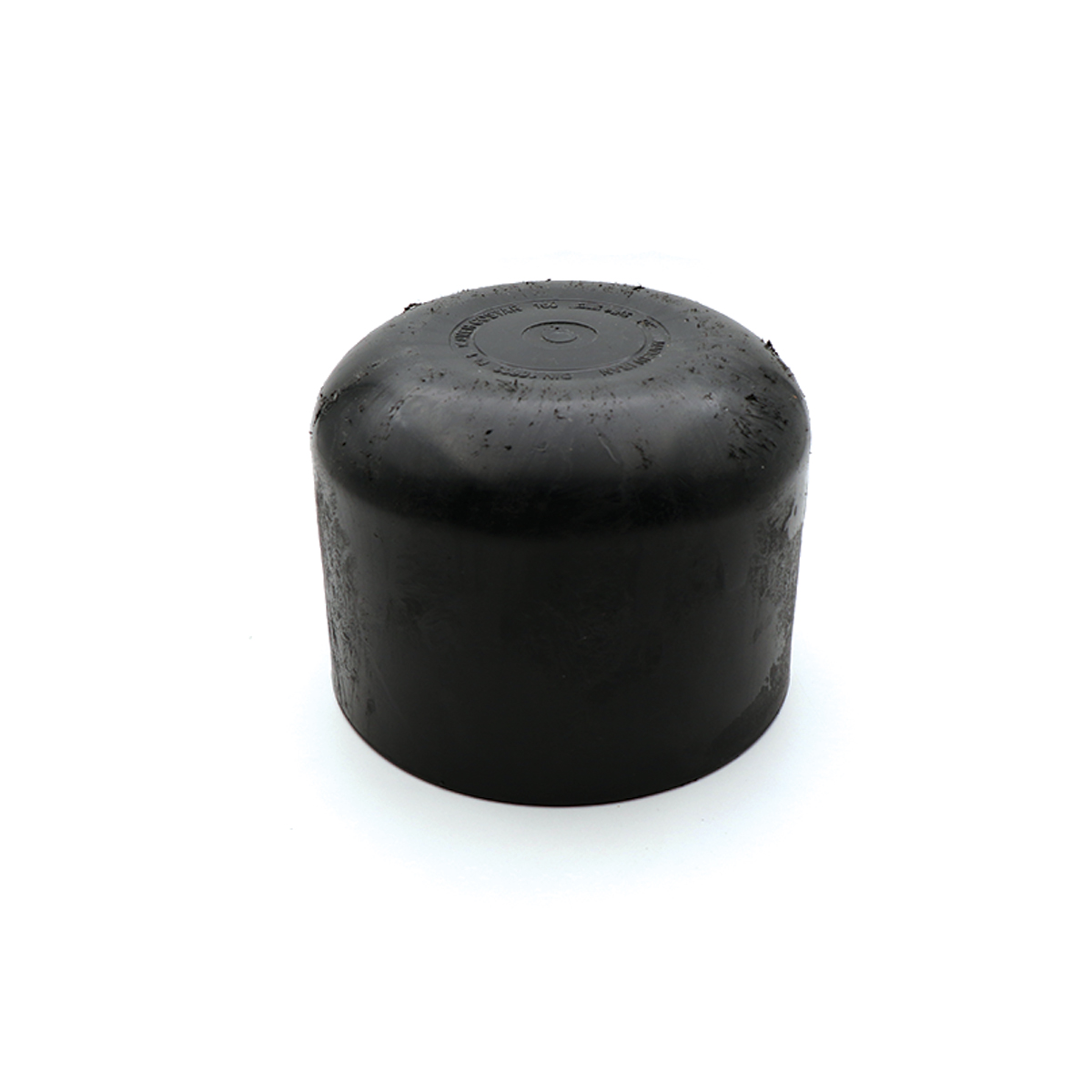
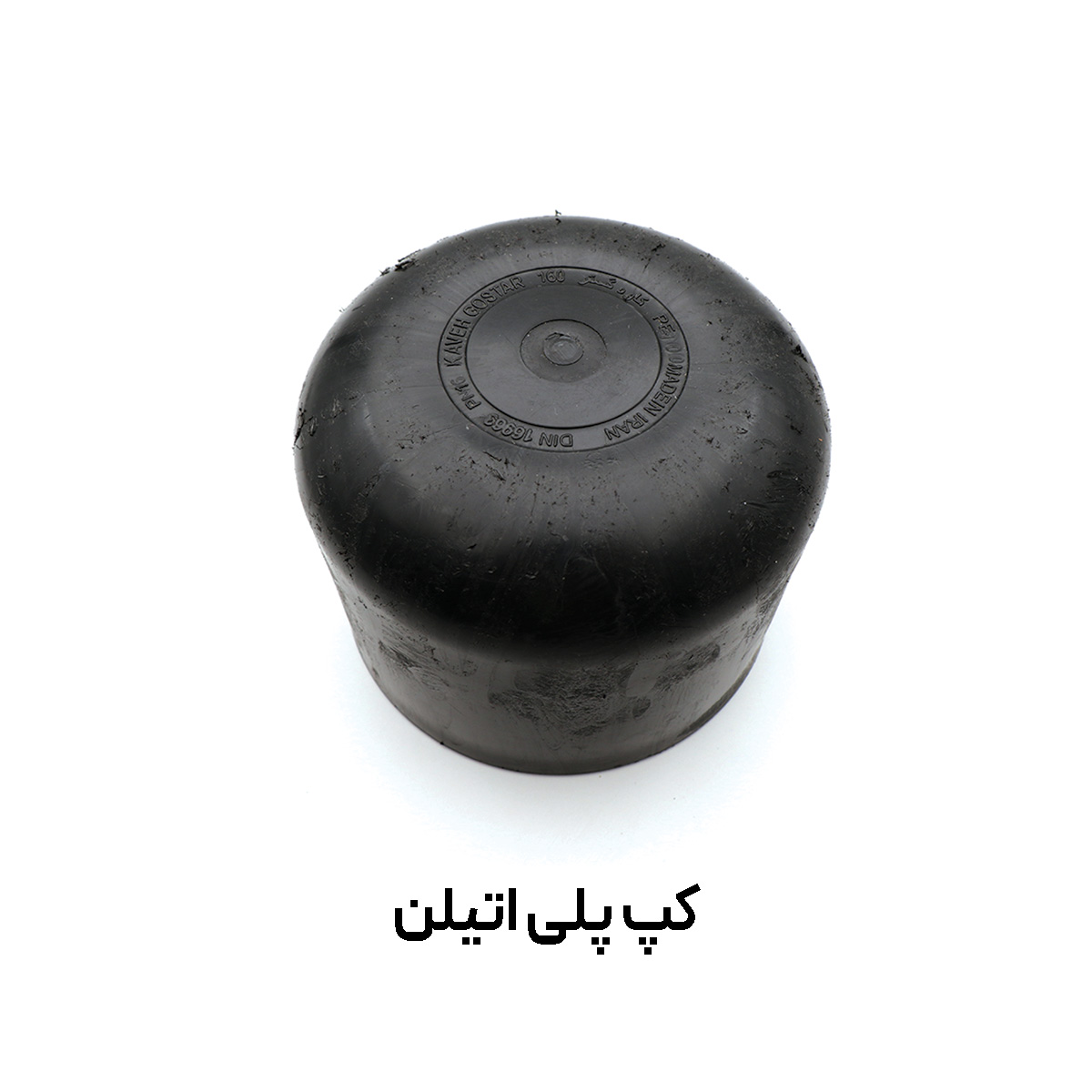
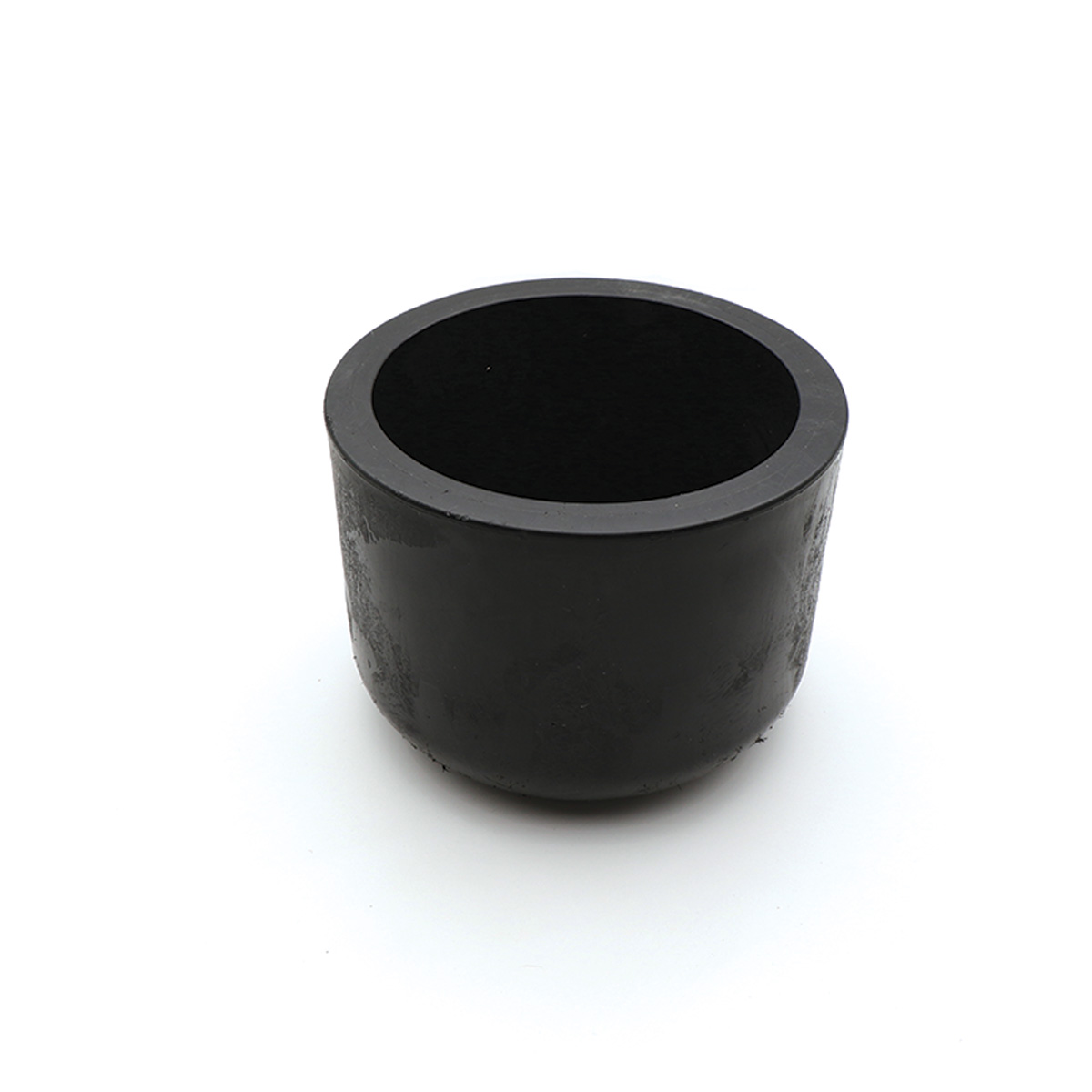
HDPE End Cap is a component used to close the ends of polyethylene pipes—either permanently at project handover or temporarily—for example—during hydrostatic testing or when operations pause. In the drawings of this part, two key dimensions are marked with the letters Z and L:
Z represents the overall height/protrusion of the cap from the pipe end to the highest point of the part.
L indicates the effective engagement length in the joint (seating/weld or gripping zone).
Accurate knowledge of Z and L is essential for matching the cap with pipe diameter, joint type, and installation space.
Types of HDPE caps by joining method
- Butt Fusion Cap: Suitable for main water and sewer networks and transmission lines; high mechanical integrity and sealing.
- Electrofusion Cap: A precise option for confined spaces or spot repairs; clean, controllable installation.
- Compression/Mechanical Cap: Fast installation and serviceable; suitable for laterals, irrigation, and temporary uses.
Connection method selection guide table
| Joining Method | Key Advantage | Suggested Application |
|---|---|---|
| Butt Fusion | High strength and integrity | Trunk lines, higher working pressures, long-term buried service |
| Electrofusion | Precise installation in confined spaces | Branches, repairs, locations with strict quality control |
| Compression/Mechanical | Speed and the ability to disassemble | Secondary networks, irrigation, temporary or serviceable connections |
Sizing and compatibility guide
- Match the pipe nominal diameter with the cap nominal size; then align Z and L with spatial constraints and joint requirements.
- For pressurized lines, the pressure class/SDR of the cap and pipe must be compatible.
- In critical projects, check material certificates (PE100/PE80) and conformity with common standards (such as EN 12201 / ISO 4427).
- If venting/draining is needed, consider a threaded cap with a port or provide a drain point.
Installation notes (Best Practices)
- Preparation: Face and deburr the pipe end; keep joint surfaces clean and dry.
- Alignment: Use a clamp/fixture to keep pipe and cap coaxial and reduce post-weld stresses.
- Welding parameters: Follow the equipment/manufacturer instructions; fully observe heating time, pressure, and cooling time.
- Visual inspection: After joining, check bead uniformity and absence of blisters, distortion, or burning.
Quality control and testing
- Leak/pressure testing: Perform according to the project procedure before commissioning.
- Material traceability: Record batch number, resin type, and cap pressure class for future tracking.
- As-built records: Enter the installed locations and dimensions (Z and L) in final documentation.
Storage, handling, and transport
- Store caps in shaded, dry areas away from direct sunlight.
- Avoid contact with aggressive solvents/oils.
- During transport, prevent impact and scratches on jointing edges.
Nominal sizes and Z/L dimensions table
In the table below, Z and L are in millimeters for each nominal size.
| Nominal Size (mm) | Z (mm) | L (mm) |
|---|---|---|
| 32 | 50 | 40 |
| 40 | 62 | 57 |
| 50 | 63 | 57 |
| 63 | 64 | 52 |
| 75 | 65 | 57 |
| 90 | 78 | 65 |
| 110 | 88 | 68 |
| 125 | 91 | 79 |
| 160 | 100 | 88 |
| 200 | 166 | 114 |
| 225 | 166 | 114 |
| 250 | 135 | 120 |
| 280 | 195 | 170 |
| 315 | 250 | 150 |
| 355 | 250 | 150 |
| 400 | 250 | 150 |
| 450 | 260 | 100 |
| 500 | 480 | 100 |
| 560 | 680 | 100 |
| 630 | 720 | 115 |
Design notes with focus on Z and L
- In confined spaces (pits/chambers), a smaller Z can prevent collisions with covers or equipment.
- Sufficient L for secure joint engagement is critical; inadequate L raises leakage risk.
- For lines subject to thermal expansion, allow clearance proportional to Z.
Tamam Baha, as a supplier of HDPE end caps, offers a range of sizes and joining methods (butt fusion, electrofusion, and compression) with an emphasis on material authenticity and compliance with common standards. Our technical team can assist international buyers in selecting the right Z and L based on site constraints, working pressure, and pipe SDR compatibility; naturally, sourcing HDPE caps is not limited to us, and buyers may obtain quotations from other qualified suppliers as needed.